Understanding Vaccine Hesitancy

Vaccine hesitancy refers to being conflicted about or opposed to getting vaccinated.
Vaccine confidence is believing vaccination is effective, safe, and trustworthy.

vaccine can become confident!
patients who are hesitant to get the
COVID-19 vaccine?
Click the button that corresponds
to your level of confidence!
This website offers many strategies
that can help boost your confidence
in addressing hesitant patients.
VACCINE HESITANT PATIENTS?
VACCINE HESITANT PATIENTS?
fortable having these conversations,
but we have strategies that can
help increase that confidence more!
VACCINE HESITANT PATIENTS?
confident addressing hesitant
patients, these strategies can help
you reach even more patients!
Current CDC Directive
Current guidelines recommend getting a COVID-19 vaccine once a year during flu season. Even though the Public Health Emergency for COVID-19 ended in May 2023, pharmacists continue to report that conversations about the vaccine are challenging, especially when patients do not believe COVID-19 is severe or that the vaccine is safe. As pharmacists, it is our responsibility to ensure that patients have updated and high quality information about the vaccine so patients can make the decision that is best for them.
National Rates
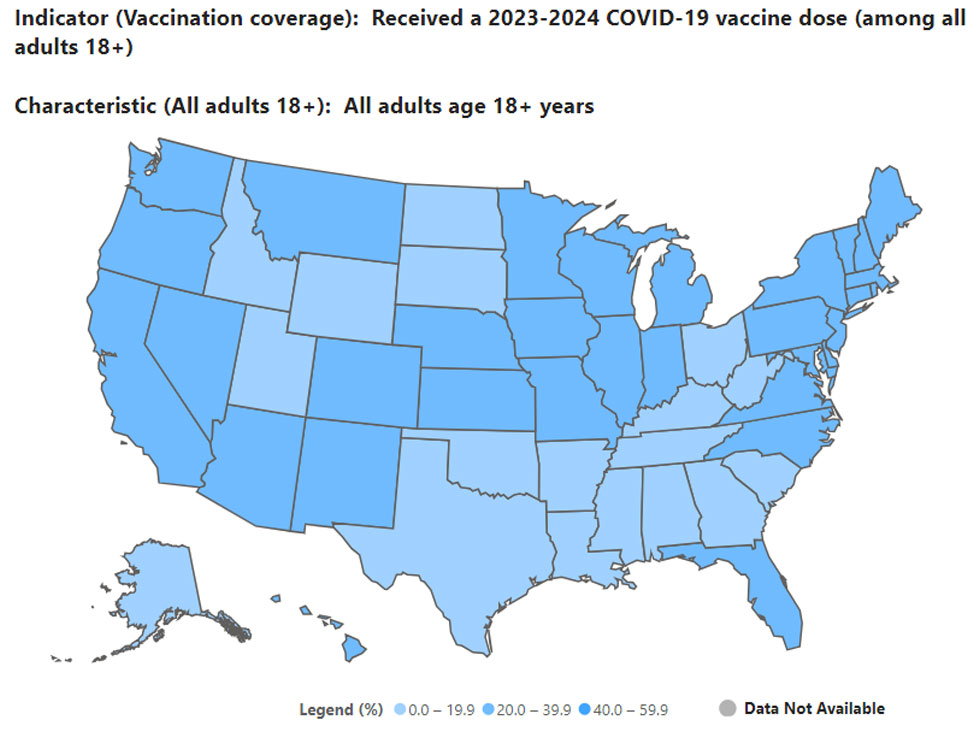
- Rural communities have some of the highest levels of COVID-19 vaccine hesitancy and lowest rates of COVID-19 vaccination in the country. Possible reasons for these rates are noted below:
- People who live in rural communities may not have a primary doctor and may have previously encountered poor experiences in hospitals, leading them to distrust medical establishments.
- Peer pressure not to vaccinate may lead some members of rural communities to avoid vaccinations.
- Other people may be confused about the vaccine because they are getting conflicting information about the benefits and risks of the vaccine.
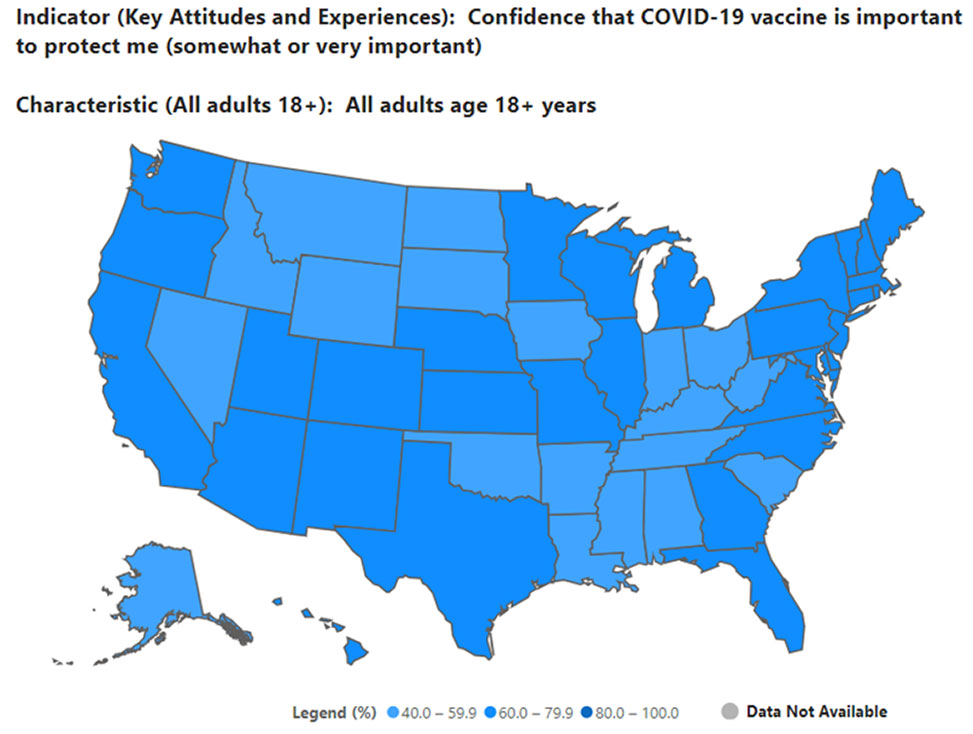
- These two maps show the strong correlation between levels of vaccine confidence and vaccination rates.
Vaccine Confidence
Vaccine Coverage