Resources to Support COVID-19 Vaccine Concerns
Click on your category of concern to learn more.Vaccinating Children - Side Effects
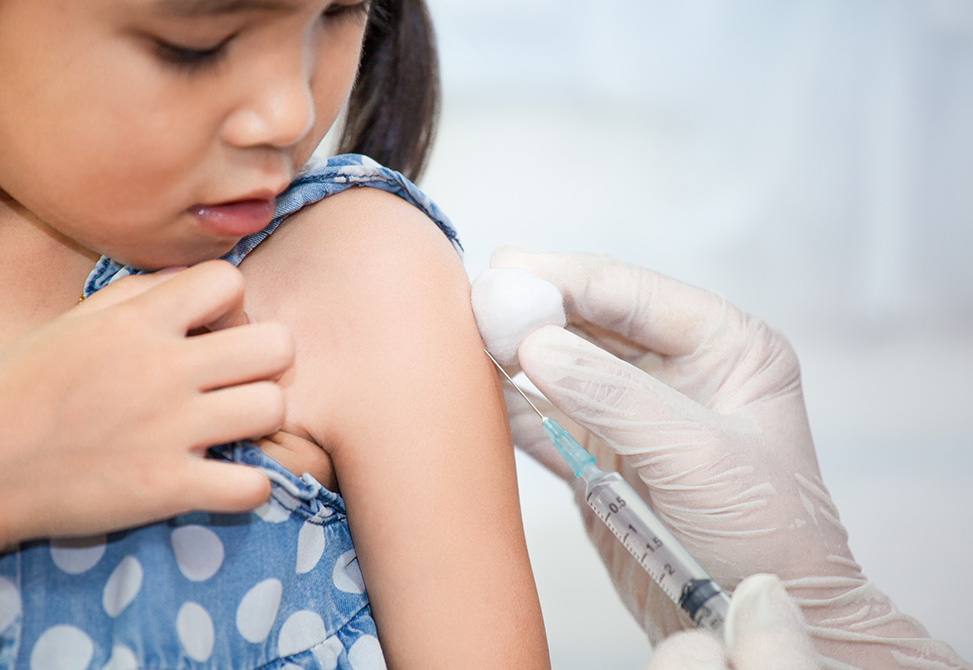
The vaccine helps prevent kids from getting COVID-19 and experiencing the worst impacts of COVID. This study reviewed 54 other studies and found that vaccination, especially with more than one dose, was very effective at preventing both infection and the worst outcomes of COVID should an infection occur.
Infertility
The trials that looked at vaccine safety included thousands of pregnant women who were closely monitored for negative outcomes. These studies show that there is no difference in the number of vaccinated and unvaccinated women who were able to get pregnant.
There are also newer studies that show vaccines do not affect male fertility.
Miscarriage
A recent study with almost 14,000 women found that there was not an increased risk of miscarriage in women who got the vaccine.
Other studies have found that pregnant women who get the vaccine pass on antibodies to protect their child from COVID-19. This reduces the risk of new babies being hospitalized within the first six months of birth.
Natural Immunity
COVID is similar to the flu in that it mutates into new variants over time. While there is a certain amount of immunity your body has built up from being vaccinated or getting COVID previously, we don’t know how much this protects you against the latest COVID variant.
Not a serious illness anymore
COVID is still an illness to take seriously. You can see how many new hospitalizations there are weekly due to COVID-19 at this link.
Unknown, Undiagnosed Problems
If you have an autoimmune condition, you should talk to your doctor before getting vaccinated. Generally, those with an underlying health condition, like an autoimmune disease, are at higher risk of severe complications from COVID. So, it is generally recommended that you get the vaccine even if you have an autoimmune disease. There are many ongoing studies examining whether the vaccine causes people with autoimmune diseases to experience flares. The evidence to date suggests that the risk of flares and other negative reactions are low.
Medication Interactions
From what we know so far, there is very little chance of any negative interactions between the vaccine and most medications. This is because the COVID-19 vaccine affects your immune system and most everyday medications don’t go near that system.
The vaccine causes cancer
Numerous sources, such as the American Cancer Society and Mayo Clinic (links below) say there is no evidence to suggest COVID vaccines cause cancer. The American Cancer Society actually recommends that cancer caregivers and close contacts get vaccinated to lower the risk of the cancer patient getting COVID, which can be especially dangerous for them.
DNA Fragments
This video by Dr. Paul Offit of The Children’s Hospital of Philadelphia explains why it is impossible for DNA fragments in the COVID vaccines to harm us.
Myocarditis/Heart Problems
This study found that the risk of having heart problems was actually higher from getting COVID than from getting the vaccine. That means people actually have lower risk of heart problems if they get the vaccine.
Stroke
After years of studying the vaccine and stroke, studies show there is no link between the COVID-19 vaccine and stroke.
Studies have shown that having COVID-19 increases your risk of stroke.
General long-term side effects
Delayed side effects from vaccines are extremely rare. The American Pharmacists Association provides some key information about both immediate and long-term side effects here:
It is more likely to have long complications from the Covid virus itself. Long Covid currently affects 17 million adults in the US.
General side effects
Everyone’s immune system can respond differently to the vaccine and virus. Some people feel lousy for a day or two after receiving the vaccine and some people don’t experience any side effects. You can read all about the Covid vaccine and what to expect, including common minor side effects, here:
Bell's Palsy
Cases of Bell’s Palsy after Covid vaccination are very rare. In this study of 989,144 patients, just 44 developed Bell’s Palsy after vaccination and none of the cases were severe or life threatening.
Why an Annual Vaccination?
Getting a vaccine every year increases immunity to the virus and is a great way to protect yourself and your loved ones. The flu and COVID continually mutate and generate variants. The vaccines try to target the most common variant to help protect you from getting infected with the current version of the virus.
Will an annual vaccine protect against the new variants?
Health officials say the new COVID vaccines are a much closer match to currently circulating variants than prior vaccines and they are still a close match (and will offer protection against) all other current and newer strains.
The Vaccine is Ineffective
People who get the vaccine can still get COVID, but the severity of their symptoms is usually much less than those who did not get vaccinated. This study reviewed 54 other studies and found that vaccination, especially with more than one dose, was very effective at preventing infection and the worst outcomes of COVID, such as hospitalization and death.
Pharmacies have provided over 270 million COVID vaccinations, which is more than half of all COVID vaccinations given in the US.
Vaccines make you sick/give you COVID
This is a common belief but be assured that the Covid vaccine cannot give you Covid. You can read about how the vaccines work at the below link, under the "Safety and side effects of COVID-19 vaccines" category.
Financial Concerns
If you are interested in learning more about why your insurance is now being charged for the vaccine, please check out the information at this link.
If you are uninsured, you may be able to obtain a free vaccine through your local health department or nearby health clinics. You can find a local health department here:
And additional health centers here:
Young and healthy - vaccine not needed
Many people who are young and healthy get vaccinated to protect other less healthy people in the community, like grandparents or people who have autoimmune diseases or cancer. COVID carries a much greater risk for these folks. Also, perfectly healthy people like you have gotten seriously sick with COVID and have found it difficult to recover.
Doctors should vaccinate rather than pharmacists
Both pharmacies and doctors’ offices receive their vaccines from the same source. Pharmacists are highly trained to administer vaccines and are mandated by law to maintain certain qualifications to give vaccines. This is an example from North Carolina.
mRNA vaccines change your DNA
It is not possible for the mRNA Covid vaccines to change your DNA. The mRNA in the vaccines does not interact with your DNA, it just directs your cells to make the type of protein found on the Covid virus so your immune system learns to recognize that protein and respond effectively. You can learn more about mRNA and how mRNA vaccines work at this link.
Government Control
Millions of people have gotten the vaccine and not experienced negative consequences or died. The vaccine’s benefits in protecting people against severe COVID symptoms and hospitalizations make the vaccine worth considering.
Microchips and/or Magnets
It’s not possible for a microchip to be in the vaccine for several reasons. This video gives a detailed explanation.
Government Experimentation
While it’s true the government ran experiments on people in the past, what is different about the COVID vaccine is that people of all races in every country have gotten it. And those who have gotten the vaccine are less likely to die from COVID than people who have not gotten vaccinated.